

An important announcement via email. A change in the WhatsApp group. The calendar on the website. Meeting minutes in a shared folder. And if they have questions, members know how to reach the board anyway.
In many organizations, different communication channels naturally emerge. This works fine for a while—until members start missing information, can no longer find what they’re looking for, or important messages get lost among other messages.
Good communication within an organization doesn’t mean you have to communicate more. It’s mainly about ensuring that members know where to find information and that important messages actually reach them.
Why does communication within an organization quickly become confusing?
An organization often consists of various groups, such as the board, committees, teams, volunteers, and members. Not everyone needs the same information, and not everyone uses the same communication channels. As a result, a mix of email, WhatsApp, a website, social media, and scattered documents quickly emerges.
This can lead, for example, to situations where:
- members don’t know where to find the latest information
- important messages get lost among other messages
- the same information is shared through multiple channels
- board members have to answer the same questions over and over again
- new members don’t know which communication channels to follow
- documents are difficult to find
Sending an additional message usually doesn’t solve the problem. Having a better overview does, though.
Streamline association communications with a single central location
A good first step is to determine where members can go for important information. That doesn’t mean you have to get rid of all other communication channels right away. A website, email, or WhatsApp can still be useful. But it helps if there’s one place where members know: this is where I’ll find what’s important to our association.
Think of news, documents, activities, important announcements, and information from committees. That way, members no longer have to search through old emails or various WhatsApp groups.
Decide where each message belongs
Not every message needs to be shared through every communication channel. For example, a change to one team’s practice schedule doesn’t need to be sent to the entire club. An invitation to the general membership meeting probably does. Therefore, establish clear guidelines for your communication.
For every message, ask yourself:
- Who is this information intended for?
- How important is the message?
- Does anyone need to be notified immediately?
- Should the information be easy to find later?
By establishing clear guidelines for this, communication will naturally become more seamless.
Make sure important messages actually reach members
Sharing information is different from reaching members. A message may be neatly posted on the website, but if almost no one checks it regularly, it won’t achieve its purpose.
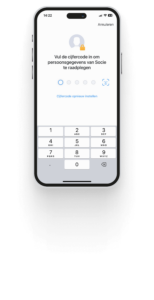
For important announcements, it therefore helps to actively alert members to new information. With push notifications, for example, you can let members know that an important message is waiting for them. This can be done for the entire organization, or just for a specific group.
This way, a committee receives only the information relevant to that committee, and other members aren’t inundated with messages.
Make it easy to find information
A common problem within organizations is that information is shared, but later becomes impossible to find. Think of meeting minutes, bylaws, schedules, forms, or information about activities.
In a WhatsApp chat, such a document can quickly get lost among dozens of other messages. A full inbox doesn’t make searching any easier either. So, give important information a designated place. That way, members know where to look, and the board doesn’t have to keep resending documents.
Don't just communicate to members—communicate with them as well
Effective communication within a club isn’t just about sending information. Members sometimes want to ask questions, respond, share experiences, or help one another. Make sure there’s room for that.
For example, you can create separate groups for committees, teams, or areas of interest. Within these groups, members can share information and engage in conversation without the entire club receiving every message. This makes communication more relevant and helps members connect with each other more easily.
Also keep new members in mind
Members who’ve been with the club for years often know exactly how it works. For new members, it’s a different story. Where’s the agenda? Who’s on the board? Where can you find documents? Which WhatsApp group should you join? And where are updates shared?
The more separate communication channels you use, the harder that introduction becomes. A central hub for club communication makes things easier. That way, a new member doesn’t have to first get to know all the club’s customs and separate channels.
Everything you need for your club's communications, all in one place
Do you want to make communication within your club more organized? Then it helps to centralize news, documents, activities, and communication between members as much as possible.
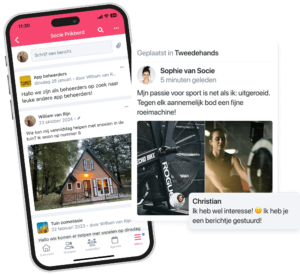
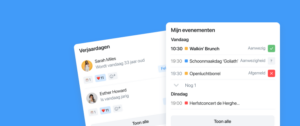
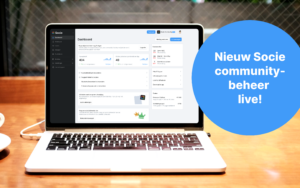
With Socie, you can create a single central communication hub for your club. For example, you can share news, make documents available, organize events, and send push notifications. You can also create groups for the board, committees, teams, or other parts of the club.
This way, not all communication has to go through the same group, and members know where to find important information.
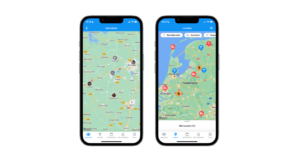
Socie is available via the app and the web interface. You decide which features to use and set up the environment in a way that suits your club.
Better communication starts with a clear overview
You don’t need to make communication within your association more complicated to better reach your members. Start by taking a critical look at the channels you currently use. Determine where each piece of information belongs, and create a single central location where members can find important information. This makes communication easier for the board and clearer for your members.
Read also about how Herenboeren has centralized its member communications.